Dado rail, a classic architectural feature, has been used for centuries to add character, define spaces, and offer wall protection in both residential and commercial interiors. This versatile design element, also known as wainscoting, serves two main functions: creating distinctive borders and providing wall protection. The dado rail is typically installed horizontally along the lower part of a wall, often at chair height, creating a clear boundary between different wall treatments or paint colors. While its decorative appeal is undeniable, it also offers practical benefits, making it a popular choice in modern interiors. The primary aesthetic function of a dado rail is to create visual separation within a room. By dividing the wall into two sections, it introduces a sense of balance and proportion, helping to organize the space. This division allows for a play on textures, colors, and materials. For example, the bottom half of the wall may be covered with a rich, textured wallpaper or wood paneling, while the upper section could feature a smooth, lighter paint color. The dado rail acts as a clear demarcation between the two surfaces, elevating the overall design.
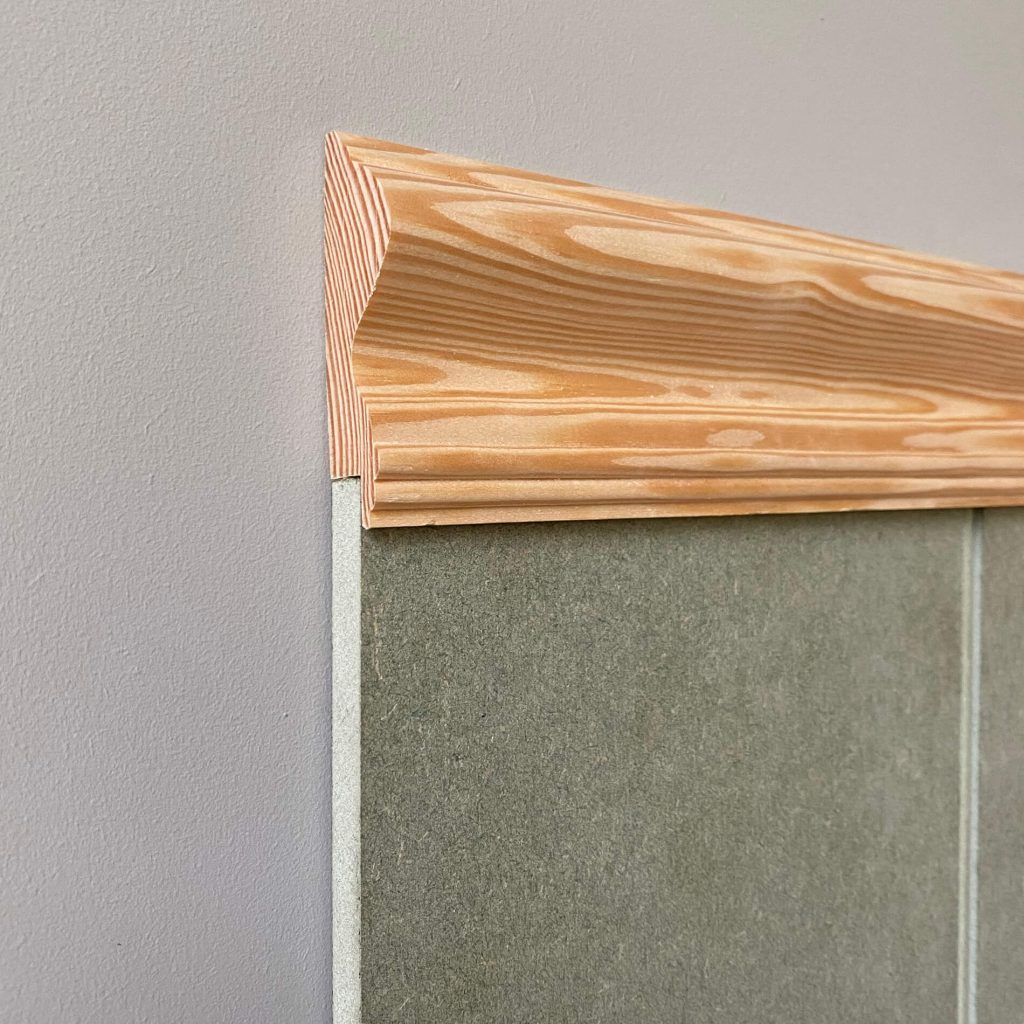
This approach not only adds elegance but can also be used to complement the room’s theme, whether it is traditional, contemporary, or eclectic. In addition to its decorative impact, dado rails play a functional role in protecting the walls. In high-traffic areas, such as hallways, entryways, or dining rooms, walls are susceptible to damage from chairs, furniture, or general wear and tear. The dado rail acts as a barrier, shielding the lower portion of the wall from scuff marks, scratches, and dents caused by the daily movement of furniture or people. This makes it an excellent choice for spaces where durability is a concern, as it helps maintain the integrity of the walls for years. In addition, dado rails can be installed with different materials, such as wood, PVC, or MDF, providing flexibility to suit different budgets and design preferences. Dado rails are particularly beneficial in homes with children or pets, where the constant movement and activity can result in frequent wall damage.
In dining rooms or areas where people regularly push chairs back and forth, the dado rail ensures that the wall beneath the chair rail remains unharmed. This is particularly useful in preserving the quality of painted or wallpapered walls, which can be easily marked. Moreover, dado rails are a timeless design feature that transcends trends. While their use has evolved over time, they remain a popular addition in both traditional and contemporary interiors. In modern homes, dado rails can be styled in a more minimalist manner, with sleek and simple lines, making them suitable for a range of interior designs. Whether combined with ornate moldings in classic spaces or paired with contemporary finishes, dado rails bring sophistication and structure to any room. Ultimately, the dado rail combines style and practicality in a way few other architectural features can. It offers a clean, decorative border while protecting walls from everyday damage, making it a functional and stylish investment for homeowners and designers alike.